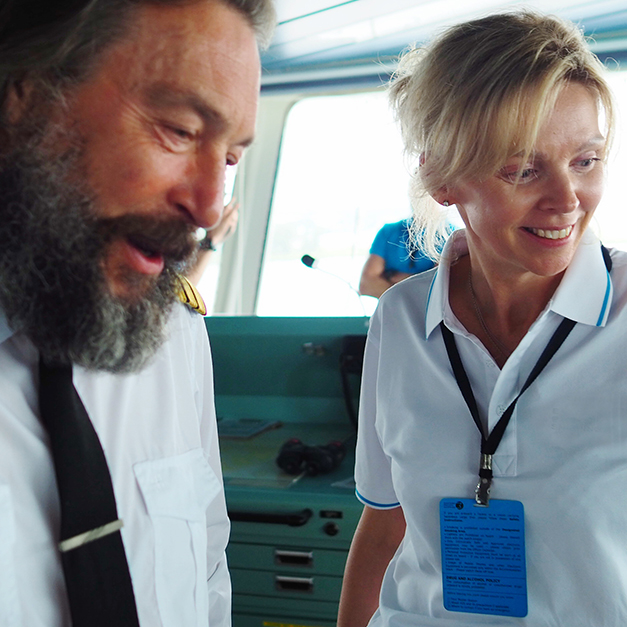
“There’s a big difference between knowing and seeing everything from the inside,” says Inesa Juzika, General Manager of the Latvian crew manning agency WELL Co. This is not just a job. It’s people, purpose, and pride.And sometimes, all it takes is one visit — to remember that.There are moments when stepping back on board reminds you what truly matters - and who you do it for.No matter how many years you’ve spent in the industry, nothing compares to being on deck, seeing the crew in action, and feeling that unique rhythm of life at sea.Yesterday, I had the chance to visit a vessel together with my team — and once again, to see everything with my own eyes.I grew up in a seafarers' family - my father, husband and brother have all worked at sea.I have spent over 30 years in crewing and always believed I understood the life of a seafarer.But there’s a difference between knowing and truly seeing it from the inside.Onboard, you feel how seamlessly the crew works together: everyone knows their role and everything runs like a single, well-coordinated system.And in that moment, you’re reminded:- how complex and demanding this profession is- how much depends on their judgment and actions- and how quietly and skillfully they keep the world moving forwardVisiting the vessel reminds us why we do what we do and who we do it for.It brings real perspective to our work ashore.This time, I had the pleasure of visiting the vessel with the WELL Co team.We are all different - with different backgrounds, personalities and experiences - but what unites us are shared values, a sense of purpose, and genuine respect for seafarers.Our small team works in sync — reliable, steady and built on trust.Thank you.To every seafarer — for your work, your strength and your dedication.And to my amazing WELL Co team — for your effort, heart and your care for those at sea. ⚓


WELL
Latest News
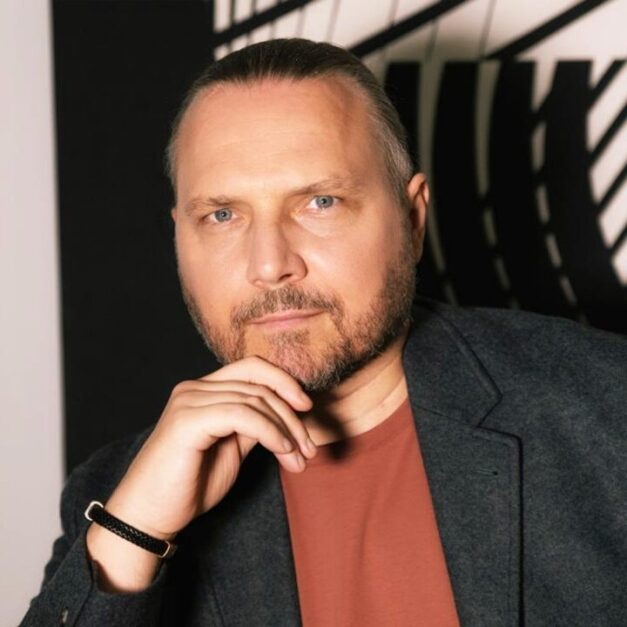
Captain Dmitry Zhigulin, AFNI 18 years of experience in rank as a Master AFNI Master Mariner Course Director at Lloyd's Maritime Academy Expert in Crew Welfare Management Mentor We recently had the opportunity to conduct an in-depth interview with Captain Dmitry Zhigulin, a highly experienced Master Mariner and a respected professional in the maritime industry, with over 25 years of practical experience at sea. He is an Associate Fellow of the Nautical Institute (AFNI), a designation that highlights his expertise in maritime safety, navigation, and operational excellence. The interview offers a discussion on key issues that are essential for seafarers globally. It touches upon important topics such as crew welfare, safety protocols, and professional development, offering valuable insights for maritime professionals looking to thrive in today's fast-evolving industry. Have a read and please feel free to share your comments. We appreciate free discussion and dialogue with other professionals in the industry! 1. From your years at sea, what do you believe most influences a seafarer’s long-term well-being onboard? (Prompting insights into emotional resilience, crew dynamics, or leadership approach.) ZD: From my extensive experience at sea, I believe several key factors significantly influence a seafarer’s long-term well-being onboard: Emotional resilience is essential for seafarers. Being away from loved ones, working long hours, and living far from home can be challenging. Developing coping strategies, such as mindfulness, can help seafarers manage the emotional aspects of life at sea. Regular mental health checks and psychological support are important and should be normalized in a profession traditionally considered “masculine.” The relationships among crew members also play a vital role in well-being. Positive crew dynamics create a supportive environment where individuals feel valued. Effective communication, mutual respect, and teamwork are critical. Crew bonding activities, open dialogue about concerns, and conflict resolution strategies all help alleviate stress and promote mental health. Leadership on board is another key factor that influences crew morale. Officers who demonstrate empathy and clear communication foster a culture of trust and support. A good leader recognizes the signs of stress or burnout and takes proactive steps to address them. Providing opportunities for professional development and encouraging feedback enhances crew engagement and satisfaction. Work-life balance, although challenging at sea, is still important. Encouraging crew members to engage in hobbies or fitness activities during downtime can make a big difference. For instance, organizing onboard table tennis tournaments has worked really well for us. Finally, access to resources such as free internet, entertainment options, and recreational activities can improve quality of life onboard. Keeping communication lines open with family and friends helps alleviate feelings of isolation and homesickness. On the flip side, bad news from home can sometimes be very difficult, especially when a crew member can’t be there to offer support, leading to feelings of depression. Since our vessels have multicultural crews, promoting cultural sensitivity is essential. Understanding and respecting cultural differences helps create an environment where everyone feels respected. To sum up, a combination of emotional resilience, positive crew dynamics, effective leadership, work-life balance, access to resources, and cultural sensitivity plays a crucial role in the long-term well-being of seafarers onboard. 2. You’ve worked with many multinational crews. What, in your view, makes a team truly effective at sea? (Focus on communication, respect, and shared responsibility.) ZD: An effective crew at sea, particularly in a multinational setting, is built on three foundational pillars: communication, respect, and shared responsibility. First and foremost, communication is essential. Clear, open communication ensures that all crew members understand their roles, responsibilities, and the tasks at hand. When instructions are clear and feedback is timely, misunderstandings can be minimized, which is crucial, especially in high-pressure situations. Given the diversity of multinational crews, it’s important to be aware of and sensitive to different communication styles and cultural norms. Encouraging team members to express themselves in a way that they’re comfortable with fosters an atmosphere where everyone feels heard. I strongly encourage officers to practice active listening. When crew members feel their opinions are valued, they’re more likely to contribute positively to the team dynamic. Respectful communication is also crucial when conflicts arise. Addressing issues promptly and constructively, without resorting to blame or hostility, helps maintain a positive working environment. When all crew members understand they share responsibility for the success of every port call, loading, discharging, and safe navigation, it creates a sense of ownership and commitment. This collective accountability motivates crew members to perform at their best and support each other. Encouraging crew members to take initiative and make decisions within their areas of expertise fosters a culture of empowerment. When individuals feel trusted to contribute meaningfully, they are more engaged and invested in the team’s success. 3. Working with WELL Co over the years — what do you value in this cooperation, and what sets this partnership apart in your experience? ZD: What I value most about working with WELL Co is the feeling of friendship and support I’ve experienced since my first steps as a cadet 25 years ago. This sense of camaraderie has only grown stronger over the years, and I continue to recommend WELL Co to both cadets and officers I know. 4. What personal principles or practices help you maintain a steady mind and focus during long contracts? (Could lead to insights about routines, mindset, discipline, or peer support.) ZD: Maintaining a steady mind and focus during long contracts at sea is crucial for a captain’s effectiveness and well-being. I start my day with a positive ritual, such as meditation, which helps me set a constructive tone for the day and enhances mental clarity. Taking time each day for reflection allows me to process experiences and assess challenges. Practicing mindfulness helps reduce stress and improve focus. Physical activity and adequate sleep are also essential for both mental and physical health. Incorporating these into daily routines boosts mood, energy levels, and overall well-being, although it’s not always easy with short sailing times between ports and nighttime maneuvers. Building strong relationships with fellow officers and crew members creates a supportive system. Offering mentorship to junior crew members gives me a sense of purpose and connection. 5. Younger officers today are entering the industry in a different environment. What qualities do you think they should actively develop to succeed and grow at sea? ZD: Younger officers entering the maritime industry today face a rapidly evolving environment, influenced by technological advancements, changing regulations, and a greater focus on sustainability and the environment. To succeed and grow, I would recommend they actively develop the following qualities: Adaptability to new technologies: Familiarity with modern navigation and propulsion systems is essential. Officers should be open to learning and adapting to new technologies as they emerge. Clear and concise communication: Both verbal and written communication skills are vital for safety and effective teamwork onboard. Cultural awareness and respect: As crews become more multicultural, being sensitive to different backgrounds and communication styles enhances team dynamics. Leadership: Developing leadership qualities early on prepares officers for future responsibilities. This includes decision-making, conflict resolution, and motivating others. Teamwork: Understanding the importance of collaboration and working well with others is key to operational success. Strong analytical skills: Officers should be able to assess situations, identify problems, and develop effective solutions under pressure. Safety culture: Prioritizing safety protocols and fostering a safety-first mindset among the crew is essential. Emotional intelligence: Being aware of one’s emotions and how they impact decision-making and interactions with others is crucial for effective leadership. Resilience and adaptability: Navigating the complexities of modern maritime operations requires the ability to bounce back from setbacks and adapt to changing circumstances. By focusing on these qualities, younger officers can position themselves for success in the maritime industry. Prioritizing technological proficiency, communication skills, leadership, problem-solving abilities, environmental awareness, emotional intelligence, continuous learning, and resilience will equip them to thrive in this dynamic environment. 6. How has the role of a Captain evolved over the past decade — and what remains unchanged? ZD: Over the past decade, the role of a Captain has evolved significantly, with greater emphasis on crew welfare, risk management, and the integration of new technologies. The fundamental responsibilities of ensuring the safe and efficient operation of the vessel, including navigation, cargo handling, and legal compliance, remain unchanged. However, the scope of these responsibilities has expanded, and technology has made vessels more transparent, turning them into remote business units at sea. This shift requires the Captain to adapt fully. 7. What gives you a sense of meaning or satisfaction in life at sea today, after so many years in the profession? ZD: Being a Captain for 18 years gives me a sense of meaning in itself. To be a professional in an industry driven by dedicated key workers is a privilege. I am proud to be a Captain and take on challenges with courage and determination. 8. How can shipowners or manning agencies better support seafarers in ways that are genuinely felt onboard — not just administratively? ZD: To truly support seafarers onboard, shipowners and manning agencies should address the psychological needs of seafarers, going beyond administrative tasks. There is a growing gap between generations of seafarers onboard, which can be bridged through open communication, empathy, and understanding of different perspectives. Companies should invest in training programs to help seafarers develop soft skills. These skills are essential for retention, safety, and overall effectiveness, especially in the changing maritime industry. 9. Your advice to the younger generation of seafarers? ZD: Don’t come onboard with the mindset that you’ll sail for a few contracts and then leave the industry to start your own business at home. Don’t waste your time. Focus on your professional growth. Work on your career strategy during your last year at the academy and define where you want to be in the future. Adapt your strategy after each contract and promotion to a higher rank. Also, don’t forget to develop your soft skills. Join us — we will help and support you!
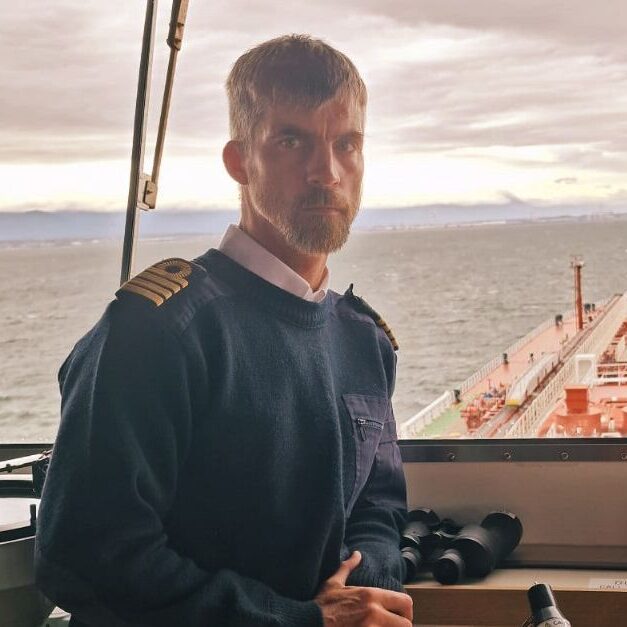
Good day, dear reader.My name is Nikishin Alexey. By profession, I am a seafarer, and by rank, I serve as a deep-sea Captain. I was born and grew up in the city of Riga in 1977.From 1996 to 2000, I studied at Liepaja Maritime College at the Faculty of Ship’s Navigation, from which I successfully graduated in June 2000 as a deep-sea navigator. I came to this profession the same way many other kids did — through parents or relatives who were connected to seafaring life — although, initially, it was not my childhood dream. Everyone in my family thought I would become a professional sports dance coach, as I had dedicated 21 years to this field. But life decided differently, and in 1996 I entered the Maritime College, Department of Navigation.My first experience at sea was an apprenticeship with the Latvian Shipping Company onboard the vessel Akademik Bochvars under the command of Capt. Jazeps Spridzāns. Once my studies were complete, I obtained my Certificate of Competency with the assistance of the WELL Co office. From that time up to the present, we have been cooperating for more than 20 years. Captain Valery Ostrovsky, another WELL Co seafarer, recommended me to the Company, for which I am very grateful. After receiving my working license, I began my marine career, progressing from Third Mate up to Captain.It all started quite simply. When I approached the WELL Co office, I was offered a job, as my Certificate of Competency allowed me to work on any type of ship. At that time, the Shipowner- Client of WELL Co granted me approval to begin a contract onboard one of their gas carrier vessels. Within 10 years, I reached the position of Captain, in 2012.The hardest part for me was probably leaving my young spouse at home, not knowing what might happen. I believe everyone has many stories from their years at sea, but I will not share them here.I began working for an international company right away. Of course, the main challenge at that time for a young officer was the language barrier. Today, I believe the younger generation sees this differently and has other priorities.Having cooperated with WELL Co for decades, I would like to highlight what impresses me most in their operations — their prompt response, proactiveness, human touch, and personal approach. These are what make the Company unique. I would certainly recommend WELL Co to other seafarers.For building your career, there is only one piece of advice: go slow but steady, step by step toward your goal. Everything will work out — even if it takes some time.I plan to continue working as long as I am capable, and perhaps later complete professional training to become a ship inspector.Any path you choose is your path, and you should follow it, no matter how difficult it may seem. If I were to start all over again, I would choose the same professional path.Thank you for your time.

To Our Seafarers’ Community – Present and Future For over three decades, WELL Co Pool has proudly served the shipping industry, offering exceptional career growth for seafarers and trusted crew solutions for leading shipowners and managers. We thank our partners — both the professionals who sail with us and the companies who trust us — for their continued confidence. Our commitment is simple: full support, 24/7 dedication, and real results. What sets us apart? It’s not just experience — it’s reputation, trust, and the strong bonds we build. We are fully engaged in every step of the journey. We offer a wide range of opportunities and invite you to follow our latest vacancy updates. Give us a call or contact us by e-mail so we could offer you the best employment opportunity available on the market. Join our family. Be part of our community. Let’s connect!